

7 Genius Uses for Hydrogen Peroxide You’ll Wish You Knew Sooner
There is a good chance a brown bottle of hydrogen peroxide is sitting somewhere in your house right now. Meanwhile, your cleaning cabinet may be packed with separate bottles for stains, laundry, bathroom messes, odors, and surface cleaning.
That little bottle can be more useful than it looks. Several legitimate hydrogen peroxide uses can simplify household cleaning, especially when you start with ordinary 3% peroxide and use it on materials that can tolerate oxidation.
There is one catch. Social media is packed with peroxide tricks that move from clever to questionable very quickly, including putting it in humidifiers, pouring it on plants, treating acne, and using it as a cure for mold.
Read This Before You Start Cleaning With Hydrogen Peroxide
The first rule is simple. More concentrated peroxide is not better for ordinary household cleaning.
Household hydrogen peroxide is commonly sold at 3%. Poison Control notes that stronger forms can cause burns and more serious injuries, so there is little reason for most people to experiment with concentrated peroxide for everyday cleaning jobs.
You should also clean dirt away before trying to disinfect a surface. CDC explains that visible dirt and other material can make it harder for disinfecting chemicals to reach germs effectively.
| Do | Avoid |
|---|---|
| Use 3% household peroxide for suitable jobs | Experimenting with concentrated peroxide |
| Test fabric and surfaces first | Assuming every material is peroxide safe |
| Clean visible dirt first | Spraying disinfectant over grime |
| Follow product labels | Guessing contact times |
| Keep it in its original bottle | Storing it in an unmarked container |
| Use ventilation when needed | Casually combining cleaning chemicals |
Never treat household chemicals like ingredients in a recipe. Oregon State University Extension specifically advises against combining disinfectants unless the product directions tell you to do so.
1. Lift Fresh Blood Stains Before They Become Laundry Problems

A small cut can turn a white shirt, pillowcase, or sheet into a frustrating laundry job. This is one place where hydrogen peroxide can be genuinely useful because peroxide chemistry can help break down certain organic stains.
Start by blotting away excess moisture with a clean cloth. Do not scrub aggressively because that can spread the stain deeper into surrounding fibers.
For washable light colored material, apply a small amount of 3% peroxide to a hidden area first. Watch for fading before treating the visible stain.
If the fabric passes the test, use a modest amount on the affected area and blot as the stain releases. Rinse the area afterward, then wash the item according to its care label.
Be much more careful with dark or richly colored fabric. Peroxide is an oxidizer, so a stain may disappear along with some of the fabric color.
That color risk is also why commercial laundry companies tell consumers to check colorfastness when using bleaching or stain removing treatments. Clorox similarly recommends hidden area testing before applying products capable of altering fabric color.
Quick Stain Guide
| Fabric Situation | Best Move |
| White washable cotton | Good candidate for careful spot testing |
| Light washable fabric | Test first |
| Dark clothing | High fading risk, test carefully |
| Silk or delicate fabric | Follow the care label or use professional cleaning |
| Unknown fabric | Do not experiment on the visible area |
The goal is not to soak every stain in peroxide. It is to use a small amount where oxidation can help while protecting the fabric around it.
2. Brighten Dingy Laundry Without Reaching for Chlorine Bleach
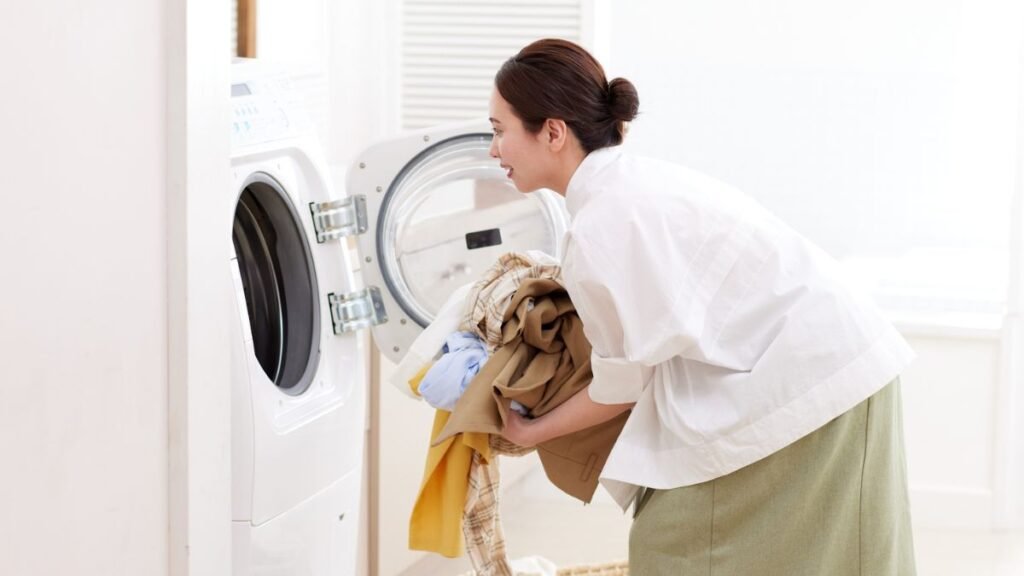
White towels and sheets slowly lose their crisp look. Sweat, body oils, detergent residue, and repeated washing can leave them dull even when they are technically clean.
Peroxide based chemistry already has a place in laundry products. Clorox notes that its color safe nonchlorine bleach contains peroxide and is designed to remove stains and brighten compatible garments.
That does not mean you should automatically pour a cup of drugstore peroxide into every washing machine. Washer designs, fabrics, dyes, detergents, and machine instructions vary.
A safer approach is to check your washer manual and garment care label first. For regular use, a laundry product specifically labeled for peroxide based whitening gives you clearer dosing instructions than an improvised internet recipe.
Hydrogen peroxide can still be handy for small pretreatment jobs on compatible white fabric, especially when you do not need an entire bottle of specialty stain remover.
The benefit here is simplicity. You may discover that some laundry problems do not need chlorine bleach, fragrance boosters, stain sprays, and three other bottles competing for space on the shelf.
3. Make Dingy Tile and Grout Look Cleaner Again

Grout has an annoying habit of making an otherwise clean bathroom look neglected. Soap residue, dirt, moisture, and everyday foot traffic collect along the narrow lines where a mop often cannot reach well.
Hydrogen peroxide can be useful as part of the cleaning process on compatible tile and grout. The important phrase is part of the process, because the scrubbing still matters.
Start by washing away loose dirt and soap residue. Then test peroxide on a small hidden patch, especially if the grout is colored or sealed.
Apply enough to dampen the problem area, give it a short period to work, then scrub gently with a grout brush. Wipe or rinse the residue away instead of letting loosened grime dry back onto the surface.
Be more cautious around natural stone, metal trim, specialty finishes, and surfaces with manufacturer specific cleaning rules. Sanitizers and oxidizers can damage some materials, which is why Oregon State University Extension tells users to consider surface compatibility and follow product directions.
And if the dark grout is actually recurring mold, cleaning alone will not fix the reason it keeps returning. That brings us to an important distinction.
EPA says the key to mold control is moisture control. Mold on hard surfaces should be physically cleaned away and the area dried completely rather than simply sprayed with a chemical and forgotten.
4. Disinfect Certain Hard Surfaces After You Clean Them

This is one of the more established hydrogen peroxide uses.
CDC infection control guidance says commercially available 3% hydrogen peroxide is stable and effective as a disinfectant for inanimate surfaces in suitable applications.
But spraying a dirty countertop and immediately wiping it dry is not automatically disinfection. Cleaning and disinfecting are separate steps.
CDC advises cleaning surfaces first because dirt can interfere with the chemical reaching microorganisms. A disinfectant also needs the correct concentration and contact time to achieve the result stated on its label.
That is why an EPA registered peroxide disinfectant can be easier for serious disinfection jobs. The label tells you where it can be used, how long the surface must remain wet, and if rinsing is required. EPA maintains lists and guidance for registered disinfecting products.
Cleaning Versus Disinfecting
| Job | What It Means | When It Helps |
| Cleaning | Removes dirt and much of the germ load | Routine household care |
| Sanitizing | Reduces germs to specified levels | Certain kitchens and equipment |
| Disinfecting | Uses a registered chemical process to kill listed microorganisms | Higher risk contamination or illness |
| Drying | Removes moisture that supports future growth | Bathrooms, bins, damp areas |
For ordinary daily cleaning, soap or detergent is often enough. CDC notes that routine cleaning alone removes many harmful viruses and bacteria from surfaces.
5. Fix a Trash Can That Still Smells After the Bag Is Gone

Taking the trash out does not always take the smell with it. Liquid can leak beneath the liner and leave food residue across the bottom, hinges, rim, and sides.
Start with soap and water. That physical cleaning step removes the material causing much of the odor and gives any later disinfectant a cleaner surface to contact.
After washing, hydrogen peroxide may be used on a compatible plastic bin when its product directions permit that surface. Give it the stated contact time if your goal is disinfection, then rinse if the directions require it.
Dry the bin completely before putting in a new liner. Moisture trapped beneath a bag creates exactly the kind of damp environment you are trying to avoid.
If the smell immediately returns, look under the rim, around wheels, inside lid hinges, and beneath removable inserts. Odor is often a cleaning clue, not a signal that the bin needs more perfume.
This approach works better than repeatedly spraying fragrance over material that is still stuck to the plastic.
6. Sanitize Plant Pots and Garden Tools Instead of Pouring Peroxide Into Soil

This may be the biggest difference between a useful garden peroxide trick and a risky internet one.
Oregon State University Extension published updated plant propagation guidance in 2026 that lists hydrogen peroxide and peroxyacetic acid products among sanitation options for containers, tools, tables, walls, floors, and similar structures. It stresses following label directions and cleaning debris away first.
That makes peroxide useful when you are cleaning empty pots, trays, or compatible tools between plantings.
Remove all soil and plant matter first. Then use a product labeled for the material and sanitation job you are performing.
What you should not assume is that pouring an improvised peroxide solution into potting soil will cure root rot or rescue an overwatered plant.
Plant diseases have different causes. Oregon State University even warns that hydrogen peroxide is ineffective against certain serious plant pathogens, showing why one chemical should never be treated as a universal plant cure.
If a houseplant stays waterlogged, fix the watering schedule, drainage, potting mix, and damaged roots. Those changes attack the actual cause rather than trying to add oxygen through a homemade chemical treatment.
7. Refresh Certain Washable Toys and Plastic Household Items

Hard washable toys collect grime surprisingly quickly, especially in homes with young children. The right cleaning method depends on the material, but peroxide can have a role for compatible washable items.
CDC has guidance for specific contamination situations that uses 3% hydrogen peroxide to disinfect objects and surfaces. In that protocol, objects remain in contact with the peroxide for 20 minutes and are then thoroughly rinsed.
That does not mean every toy needs a 20 minute peroxide treatment. The CDC guidance concerns a particular pathogen and setting, but it demonstrates why contact time and rinsing matter when disinfecting.
For everyday toys, wash visible dirt off first with soap and water. Then check the manufacturer instructions before applying a disinfectant.
Skip peroxide on toys containing electronics, unfinished wood, fragile paint, glued decorative parts, or materials that cannot be rinsed properly.
You can use the same thinking for other hard plastic items around the house. First decide if they need cleaning or actual disinfection, then choose a product whose label supports the material and task.


