
How to Make Christmas Feel Special When the Kids Aren’t Coming Home
Christmas can feel strangely unfinished when the people who usually fill the house are celebrating somewhere else. The decorations may be familiar, but setting up the same big tree, crowded table, and family traditions can suddenly make the empty spaces feel more noticeable.
That does not mean the season has to feel smaller or sadder. A quieter Christmas can still feel warm, layered, and deeply personal when the house is styled for the life happening inside it now.
The goal is not to recreate years past. With thoughtful cozy home decor, softer lighting, meaningful traditions, and a few changes in scale, you can make Christmas feel special without decorating an entire house for guests who are not coming.
Let the House Feel Different Without Letting It Feel Empty

One of the hardest parts of a quieter Christmas is deciding how much of the old routine to keep. Putting everything out can feel comforting, but it can also make the house seem prepared for a gathering that is not happening.
Instead of asking how Christmas looked in previous years, think about how you want the rooms to feel this year. Warm, calm, festive, peaceful, colorful, nostalgic, or simple are all useful starting points.
This small shift takes pressure away from recreating the past. You are decorating for atmosphere rather than attendance.
There is also no reason to retire traditions simply because the family schedule changed. Keep the ones that still bring comfort and give yourself permission to adjust the ones that now feel like work.
This approach can help:
| Old Expectation | A More Comfortable Approach |
|---|---|
| Decorate every room as usual | Focus on the rooms you actually spend time in |
| Set a large formal dining table | Create a smaller table with richer details |
| Put out every collected ornament | Display the ornaments that carry the strongest memories |
| Repeat every family tradition | Keep a few favorites and introduce one new ritual |
| Fill empty areas with more decorations | Let some negative space make meaningful pieces stand out |
A different-looking Christmas does not mean traditions have disappeared. It simply means the house is responding to a different kind of celebration.
Scale Christmas to the Rooms You Actually Use

A house often feels more welcoming when the amount of decoration matches the way the rooms are being used.
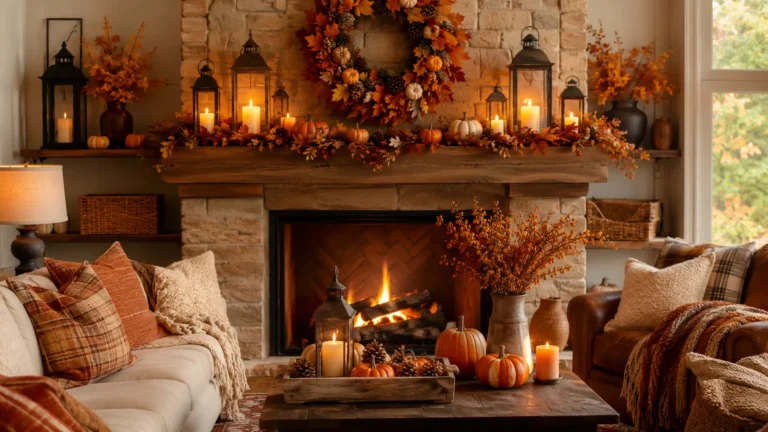
If Christmas morning will happen in the living room, concentrate the visual weight there. A tree, warm lamps, a textured throw, a tray on the coffee table, and greenery on the mantel may create more atmosphere than small decorations scattered through every hallway and bedroom.
Scale note: A large room usually needs one or two substantial holiday moments rather than dozens of tiny objects. A small room often looks richer when several decorations are grouped together instead of spread across every available surface.
For example, a console table can hold one substantial arrangement of greenery, candles, and a bowl of ornaments. Leaving the rest of the surface open keeps the display from looking cluttered.
The same thinking works for apartments and smaller homes. Many useful small space decor ideas come down to concentration rather than quantity.
Try choosing three places that are visible from your main seating area:
- the Christmas tree or another vertical focal point
- one horizontal surface such as a mantel, console, or sideboard
- one soft layer such as pillows, a throw, or a festive rug
Those three areas can carry much of the room without requiring decorations on every shelf.
If you are renting, use the same method with removable hooks, tabletop greenery, baskets, ribbons, battery candles, and textiles. Good rental-friendly decor relies more on layers than permanent changes.
Use Light and Texture Before Adding More Christmas Decorations

When a room feels flat during the holidays, the problem is often not a lack of ornaments. It is usually missing contrast between light, texture, and material.
Christmas decorations naturally include many hard surfaces: glass ornaments, ceramic houses, metal candleholders, shiny baubles, and serving pieces. Adding softer materials gives those objects something to contrast against.
Think about wool, velvet, knit, linen, brushed cotton, wood, greenery, paper, and woven baskets.
Lighting matters just as much. Overhead lighting can make even beautiful Christmas decor feel slightly cold because it lights the entire room evenly.
Table lamps, floor lamps, candles, and string lights create smaller pools of light instead. These layers give corners more depth and help the room feel settled after sunset.
Here is a simple material guide for building warmth without adding piles of decorations.
| Material or Finish | What It Adds to the Room |
|---|---|
| Knit or wool | Softness around sofas, chairs, and beds |
| Velvet | Rich color and gentle light reflection |
| Natural wood | Warm contrast against glass and metallic ornaments |
| Pine, cedar, or faux greenery | Shape, movement, and a natural visual break |
| Brass or warm metal | Small points of reflected light |
| Linen or cotton | A relaxed base for tables and layered textiles |
Lighting swap: Before buying another decorative item, try switching off the main ceiling light one evening. Turn on your lamps, tree lights, and a few safe candles instead.
You may find that the room already has enough Christmas decor. It simply needed better lighting around it.
Keep the Traditions That Still Feel Good and Edit the Rest

Decorating can carry a surprising amount of emotion because objects become attached to specific years, people, and routines.
That is especially true with ornaments. A handmade decoration from childhood or a family ornament collected during a trip can feel more meaningful than an entire box of newer pieces.
Rather than treating every stored decoration as something that must be displayed, create a smaller memory edit.
Choose pieces that make you happy to see them. Place those where you naturally pause during the day instead of hiding them among dozens of similar decorations.
A shallow bowl filled with meaningful ornaments can sit on a coffee table. Several family decorations can hang together on one section of the tree rather than disappearing across the entire canopy.
Photos can work the same way. One framed family Christmas photograph on a side table often has more presence than a large collection spread throughout the room.
Budget swap: Before shopping for new holiday decor, look through what you already own and create new combinations. Moving an old wreath indoors, placing ornaments in a glass bowl, or wrapping existing books with ribbon can make familiar objects feel fresh.
This is where decorating on a budget often becomes more interesting. Instead of relying on more items, you are changing placement, scale, and combinations.
You might also create one new tradition that fits this stage of life. It could be breakfast beside the tree, an evening movie with favorite snacks, a Christmas walk, a special dinner, or a video call with family while everyone opens one gift together.
Traditions work best when they support connection rather than obligation.
Make a Smaller Christmas Table Feel More Intentional

A dining table designed for eight can feel noticeably empty when only two or three people are sitting there. The answer is rarely adding more plates or filling every chair.
Instead, shrink the visual footprint of the celebration.
Use one end or the center section of the table rather than spreading place settings across its full length. Bringing the settings closer together creates a stronger sense of connection.
A runner can help define this smaller zone. So can a centerpiece that sits low and wide rather than tall and formal.
Try mixing a few ordinary pieces with one festive layer. Everyday white plates may feel completely different with linen napkins, small greenery sprigs, warm candles, and your favorite glassware.
The high-low mix makes the table feel special without requiring a new Christmas dinner set.
For a very large table, consider adding a tray, bowl of greenery, or candles to the unused end. This balances the surface without pretending every seat needs to be filled.
Color can also help. Repeating one accent from the tree, such as burgundy, forest green, gold, cream, or deep blue, makes the dining area feel connected to the rest of the room.
The result should feel close and comfortable rather than formal for the sake of formality.
Build Christmas Around a Few Sensory Layers

A home does not become festive through visual decorations alone.
Some of the strongest holiday cues come from what you hear, smell, touch, and experience throughout the day. That is useful when you want Christmas to feel present without covering every room in decorations.
Start with the base atmosphere: soft lighting and one familiar holiday sound, such as music playing quietly from another room.
Add a warm textile layer where you actually sit. A throw across the sofa or a softer cushion on your reading chair can change how the room feels because the decoration becomes functional rather than purely visual.
Then bring in scent carefully. Fresh greenery, citrus, cinnamon used while cooking, or another familiar seasonal scent can make a room feel festive without becoming overpowering.
The principle is similar to cozy home decor at any other time of year. Warmth comes from several smaller layers working together instead of one dramatic decorative move.
This also keeps the house from feeling like a holiday display that you are afraid to disturb. You should still be able to put your feet up, read on the sofa, make coffee, and use every room normally.
Use One Repeatable Formula for a Quieter Christmas

When decorating feels emotionally or visually overwhelming, a formula removes some of the decision-making.
You do not need a theme for every room. You need a few repeating elements that create continuity as you move through the house.
Formula: warm light + natural texture + one meaningful Christmas detail.
That might mean a lamp, a wool throw, and a treasured ornament in the living room. In the dining room, it could be candles, linen napkins, and greenery from an old family centerpiece.
Here are a few ways to adapt the same formula.
| Space | Pieces | Why It Works |
|---|---|---|
| Living room | Tree lights + knit throw + favorite ornaments | Creates one strong emotional focal point |
| Dining table | Candles + linen runner + greenery | Makes a smaller meal feel deliberate |
| Bedroom | Bedside lamp + textured blanket + small wreath | Adds Christmas without crowding the room |
| Entry | Warm lamp + woven basket + simple branches | Gives the first view of the home seasonal warmth |
| Reading corner | Floor lamp + soft cushion + small tabletop tree | Creates a personal place to enjoy the season |
Repeating materials also helps. If you use greenery in the living room, carry a small amount into the dining area rather than introducing a completely unrelated theme.
The same applies to color. Two or three repeating tones will usually make separate rooms feel more cohesive than trying to match every decoration exactly.
These home styling tips are useful beyond Christmas too. Repetition, proportion, texture, and lighting are what make rooms feel pulled together throughout the year.
Frequently Asked Questions
Should I still put up a Christmas tree if the kids are not coming home?
Yes, if the tree makes you happy. You can also change its scale by using a smaller tree, decorating only with meaningful ornaments, or placing it in the room where you spend the most time.
The goal is to make the tree part of your Christmas rather than something you feel required to maintain.
How can I make Christmas feel cozy with fewer decorations?
Start with lighting and textiles before adding objects. Warm lamps, tree lights, candles, throws, greenery, and a few grouped decorations usually create more atmosphere than many small pieces spread around the room.
Keeping the color palette limited also helps everything feel connected.
What can I do with family Christmas ornaments when the kids are away?
Display the pieces that carry the strongest memories instead of feeling pressured to use all of them. You might group several on the tree, arrange them in a decorative bowl, or place a few beside framed family photos.
They can still be part of Christmas without recreating the exact setup from previous years.
How do I decorate a large house for a small Christmas gathering?
Concentrate your decorating in the rooms you will actually use. Create stronger focal points in the living room, dining area, and entry while allowing less-used spaces to stay simpler.
This keeps the house festive without making you feel responsible for decorating every corner.
How can I decorate for Christmas without spending much money?
Start with rearranging what you already own. Move decorations to new rooms, group ornaments instead of scattering them, use existing blankets and baskets, and add inexpensive natural-looking greenery where it has the most visual impact.
Good budget home decor often depends more on placement and proportion than buying additional pieces.