

11 Books That Hit Completely Differently After 50
You can pick up a book you read 20 or 30 years ago and feel as if somebody changed it. The words are still there, but your own life has added meanings you could not have seen the first time.
After 50, you have more history to bring to a story. You may have spent years working, raising children, caring for parents, building relationships, losing people, changing plans, or wondering what you want from the years ahead.
That can change the way a book lands. Stories about work, marriage, friendship, regret, purpose, and time often stop feeling theoretical because you now have memories to compare with what is happening on the page.
1. The Remains of the Day Shows What Work Can Cost You
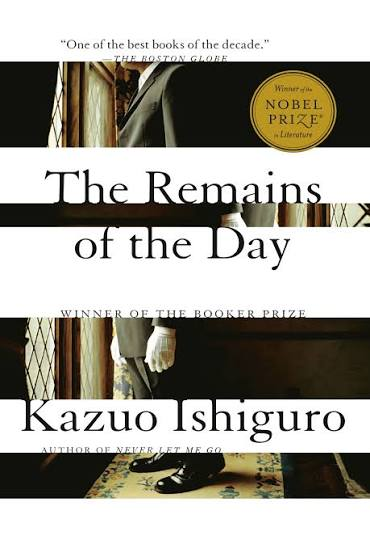
Kazuo Ishiguro’s The Remains of the Day may first look like a quiet story about an English butler. Spend enough years balancing work and personal life, though, and it can begin to feel like a warning.
Stevens has built his identity around service, discipline, dignity, and professional duty. Penguin Random House describes him looking back over three decades of service while doubts begin to surface about his employer and about the choices he made with his own life.
The novel won the 1989 Booker Prize, but its power comes from something more personal than awards. Stevens slowly realizes that being excellent at his job may have cost him experiences that cannot simply be recovered later.
Why This Story May Feel Different After 50
After decades in a career, it becomes easier to understand how work can quietly take over a life. A promotion, deadline, difficult boss, or demanding schedule can always seem important while you are inside it.
The harder question is what happened outside work during those same years. Relationships may have changed, parents may have grown older, children may have grown up, and chances for closeness may have passed.
Stevens gives professional duty such a high place that emotional risks become easier to avoid. That choice protects him from discomfort, but it also keeps him from fully participating in parts of life that might have mattered more.
This is one of the strongest books to read after 50 if your career has shaped much of your identity. It may make you ask what you are still postponing because work feels easier to measure than love, friendship, or time.
2. Stoner Makes an Ordinary Life Feel Much Bigger

John Williams gives William Stoner no grand destiny, dramatic fortune, or public fame. His life is built from work, marriage, family strain, disappointment, love, routine, and years that keep moving whether he is ready or not.
New York Review Books describes Stoner’s life as one marked by conflict in his marriage, his career, and his family relationships. Yet the novel treats that seemingly ordinary life with great seriousness.
That is what makes the book so powerful for readers with more years behind them. It asks whether a life has to look impressive from the outside to contain meaning on the inside.
The Question Changes When You Have More Years Behind You
When you are young, success can seem easy to measure. Money, career titles, recognition, a good marriage, and a certain kind of home can all look like proof that life is going well.
By 50, most people have seen enough to know that real lives rarely follow such a clean pattern. Careers stall, marriages change, friendships fade, children make their own choices, and plans sometimes fall apart for reasons nobody could control.
Stoner does not pretend disappointment is beautiful. Instead, it shows that failure in one part of life does not automatically erase everything else that mattered.
The book leaves you with a useful question about your own life. Who decided that an ordinary life was a small one, especially when so much meaning is found in things other people may never see?
3. Olive Kitteridge Makes Aging Feel Messier and More Human
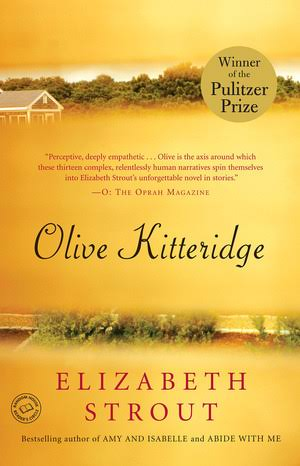
If you want a gentle story in which age automatically creates patience and wisdom, Olive Kitteridge may surprise you. Elizabeth Strout gives readers an older woman who remains sharp, difficult, loving, observant, stubborn, funny, and sometimes painfully unaware.
Olive is a retired schoolteacher living in Crosby, Maine. Across connected stories, Strout explores Olive’s marriage, her relationship with her adult child, her neighbors, and the changing community around her.
Strout’s official site describes Olive as someone who notices many changes in her town while sometimes missing what is happening inside the people closest to her. The book won the 2009 Pulitzer Prize for Fiction.
Aging Does Not Mean You Stop Changing
One of the most interesting parts of the book is how unfinished Olive still feels. She has decades of experience, yet old habits, blind spots, grudges, tenderness, and fear continue to shape the way she treats people.
That can feel familiar after 50 because age does not erase personality. You may know yourself better, but knowing a weakness and changing it are still two different things.
Her family relationships can also feel sharper when you have adult children or long standing partnerships of your own. Children grow up and form opinions about their parents, while spouses carry years of shared history that can include both affection and frustration.
Few books about aging make later life feel this ordinary and complicated. Olive Kitteridge works because it allows older people to remain fully human rather than turning them into symbols of wisdom.
4. A Man Called Ove Shows Why Purpose Still Matters

At first, Ove mostly wants people to follow the rules and stop disturbing him. His routines make perfect sense to him, while other people often feel careless, irritating, or unnecessary.
Simon & Schuster describes Ove as an aging man whose gruff exterior hides sadness and loss. New neighbors slowly disrupt his rigid routine and pull him back into relationships he never planned to form.
The story is often funny, but its deeper subject is usefulness. Ove has spent much of his life knowing what his role is, and losing that sense of purpose leaves him struggling with what comes next.
Being Needed Can Matter More Than Being Impressive
For many years, purpose may arrive without much effort. Work needs you, children need you, bills need paying, relatives need help, and your calendar seems to fill itself.
Later, some of those roles can change quickly. Children become independent, careers slow down or end, and routines that once gave life structure may suddenly disappear.
A Man Called Ove shows that purpose does not have to come from a job title. It can grow from helping a neighbor, fixing something broken, caring for another person, or simply becoming part of a community.
That lesson can feel especially strong after 50. Feeling useful may matter far more than looking important, particularly when the roles that once defined you begin to change.
5. Gilead Changes the Question From Success to Legacy

Marilynne Robinson’s Gilead begins with Reverend John Ames knowing he may not live long enough to watch his young son grow up. Instead of leaving behind a grand speech, he begins writing a long letter.
The National Endowment for the Arts describes Ames as a minister in his mid 70s reflecting on family, faith, books, friendship, memory, fathers, and sons. The novel won both the Pulitzer Prize and the National Book Critics Circle Award.
What makes the book powerful is how much weight it gives to ordinary memories. Ames does not simply list accomplishments because he wants his son to know the texture of the life that came before him.
What Would You Want Someone to Remember?
After 50, legacy can start to mean something very different from fame or money. You may care more about what your children remember, what stories your family keeps telling, and what parts of you will continue through other people.
That does not require a dramatic life story. A family tradition, lesson, apology, memory, favorite place, or story about your parents may carry more meaning than a long list of achievements.
Gilead encourages you to notice the things you have never explained to the people closest to you. It may make you think about what your parents taught you, what you changed your mind about, and what you hope your family remembers.
Among meaningful books for older adults, this one makes legacy feel surprisingly personal. It suggests that sometimes the most important thing you leave is a story somebody else knows because you finally took the time to tell it.
6. Crossing to Safety Makes Long Friendship Look Different

Most stories spend a great deal of time on new friendships and new romances. Wallace Stegner is more interested in what relationships look like after people have carried them for decades.
Crossing to Safety follows two couples whose friendship stretches across much of their adult lives. Penguin Random House describes the novel as a story about their lives, marriages, ambitions, disappointments, and long friendship.
That long history gives the book much of its emotional power. These people know old versions of one another that newer friends could never fully know.
Shared History Can Be Both a Gift and a Burden
An old friend may remember what you wanted before your career became practical. They may have known you before marriage, children, moves, health problems, financial stress, and responsibilities changed the direction of your life.
That history creates a kind of closeness that cannot be built quickly. It can also create tension because long relationships collect disappointments along with good memories.
Crossing to Safety does not pretend that friendship lasting for decades means constant harmony. Gratitude can exist beside irritation, while loyalty can survive periods of resentment or imbalance.
After 50, the better friendship question may stop being whether you still have everything in common. It may become whether this person has earned a lasting place in your life through years of showing up.
7. The Summer Book Shows Why Small Days Start to Matter More
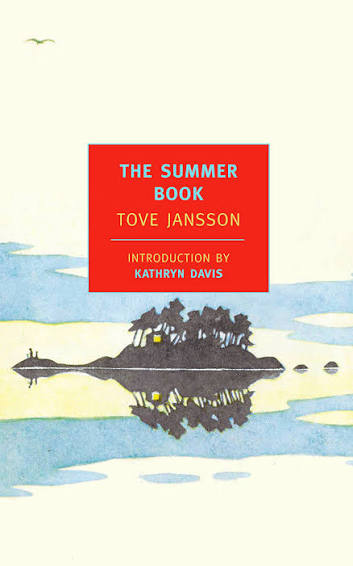
Very little has to happen for Tove Jansson’s The Summer Book to feel full. The story follows six year old Sophia and her elderly grandmother spending a summer together on a small island in the Gulf of Finland.
New York Review Books describes Sophia as beginning to discover life while her grandmother is moving closer to its end. They explore nature, disagree, talk, make things, and spend their days paying attention to the island around them.
The story does not need a huge event every few pages. Its power comes from making ordinary time feel worthy of attention.
The Small Stuff Stops Looking So Small
When you are younger, life can feel like a series of goals waiting to be completed. Finish school, find work, earn more, buy something, raise children, fix the house, and reach the next milestone.
Later, the ordinary day may start to feel more valuable. Sitting outside, drinking coffee with someone you love, walking near the water, or having a strange conversation can stop looking like empty space between important events.
The Summer Book understands that small experiences are still experiences. They do not need to lead somewhere else before they matter.
That is why this quiet novel may hit differently after 50. It reminds you that a normal day with somebody you love is not preparation for something more important because that day may already be the important thing.
8. The Year of Magical Thinking Changes How You Read About Marriage
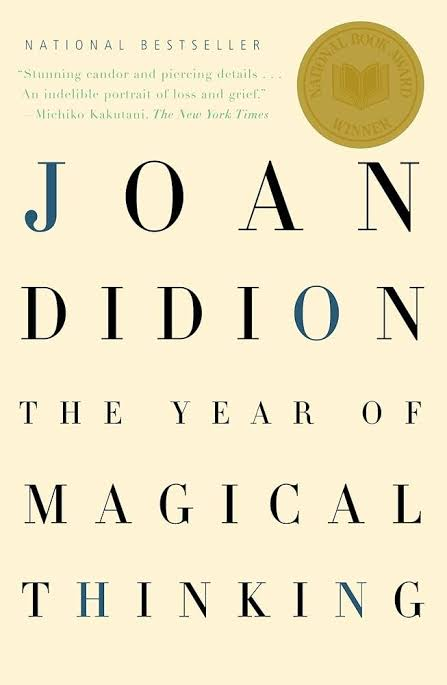
Joan Didion’s The Year of Magical Thinking is usually described as a book about grief. It is also a deeply personal examination of what happens when a long marriage suddenly becomes a memory.
Penguin Random House describes the memoir as Didion turning her clear, analytical eye inward after profound loss. The book moves through memories of her decades long marriage while showing how grief changes familiar places, habits, and thoughts.
This is not an easy book, especially if you are dealing with a recent loss. Its power comes from refusing to make grief neat or simple.
Long Relationships Live Inside Ordinary Habits
A long marriage is built from major events, but it also lives inside thousands of small routines. You know where another person sits, what they usually order, how they enter a room, what stories they repeat, and which questions they are going to ask.
Those ordinary habits can become almost invisible while both people are there. Loss suddenly makes them impossible to ignore because every routine now points to the person who is missing.
Readers who have spent decades with a partner may feel these details more strongly. You know how completely another person’s daily life can become mixed with your own.
If your grief is still very fresh, you may want to save this book for another time. When the timing feels right, though, it is one of the strongest books about marriage, memory, and what remains after a shared routine ends.
9. Being Mortal Makes the Future Feel More Practical
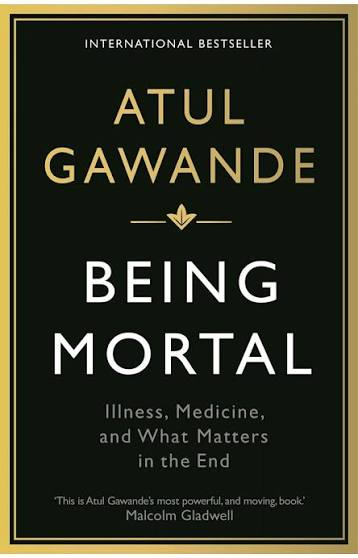
Aging is easy to treat as a distant problem until illness or a family crisis forces everyone to talk about it. Atul Gawande’s Being Mortal tries to bring that conversation into the open before those decisions become urgent.
On his official site, Gawande explains that the book looks at aging, medical care, nursing homes, autonomy, and the limits of medicine. Macmillan also describes the book as an argument for keeping quality of life central when serious health decisions have to be made.
The subject is heavy, but the book is practical rather than simply frightening. It keeps returning to one basic question about what makes life worth living when health begins to change.
This Is Really a Book About Choices
You do not need to be seriously ill before this book becomes useful. Reading it while you still have time to think can help you decide what matters before somebody else has to guess.
You might think about which daily activities you would most want to keep. You may also consider how much independence you would trade for safety and who in your family actually knows your wishes.
Those conversations can feel uncomfortable, which is why many families avoid them. The problem is that avoiding the subject does not make future decisions easier.
Being Mortal belongs among important books about aging because it gives you better questions to ask. Those questions may help you and your family make choices based on what you value rather than what seems easiest during a crisis.
10. When Breath Becomes Air Makes Time Feel Less Abstract
Paul Kalanithi spent years training to become a neurosurgeon. Just as he was reaching the stage when his professional future should have opened up, his personal future changed completely.
Penguin Random House explains that Kalanithi was 36 and nearing the end of his medical training when he was diagnosed with stage IV lung cancer. The memoir follows his change from doctor to patient while he thinks about career, identity, parenthood, meaning, and mortality.
The book is difficult because Kalanithi had done many of the things people are told to do. He studied, trained, worked hard, delayed comfort, and built his life around a future he expected to reach.
The Future Is Not Unlimited Storage Space
It is easy to treat life as something you will enjoy later. You may tell yourself that you will travel after retirement, call someone next month, rest after the next project, or make more time once life becomes less busy.
Kalanithi’s story makes that habit harder to ignore. The future he expected did not disappear because he failed to plan properly.
That does not mean you should ignore responsibility or spend everything today. The more useful lesson is that every meaningful part of your life should not be pushed into some distant future.
Call the person, use the afternoon, read the book, or say what you have been waiting to say. After 50, that message can feel especially strong because you already know how quickly ten years can pass.
11. The Death of Ivan Ilyich Makes Status Look Smaller

Leo Tolstoy does not need a very long book to make a reader uncomfortable. The Death of Ivan Ilyich takes a short story about illness and turns it into a much larger question about how a person chooses to live.
Penguin Random House describes Ivan as a career focused judge who has given little serious thought to mortality. Illness forces him to look again at his career, relationships, social ambitions, and the choices that once seemed perfectly reasonable.
The book becomes powerful because Ivan has not spent his life doing nothing. He has actually spent years doing many things society encourages people to value.
What Still Looks Important From the End?
Career advancement matters greatly to Ivan while he is healthy and moving upward. Social approval, the right home, respected friends, and professional success all seem like clear signs that he is doing life correctly.
Once his health changes, the same scorecard looks much smaller. The things that once seemed urgent begin to compete with questions about love, fear, honesty, and how he actually spent his limited time.
You do not have to agree with every conclusion Tolstoy reaches. The useful part is applying Ivan’s question to your own priorities while you still have the chance to change them.
Would this argument matter years from now, and would another promotion change what your family remembers about you? Those questions help make The Death of Ivan Ilyich one of the strongest classic books to read after 50.
Which of These Books Should You Read First?
There is no correct starting point because the best choice depends on what is taking up space in your mind right now. Someone thinking about retirement will probably respond to a different book than someone dealing with grief, friendship, marriage, or an adult child.
If you want something warm and accessible, start with A Man Called Ove or The Summer Book. Both deal with later life without making every page feel heavy.
If friendship and marriage are on your mind, try Crossing to Safety or Olive Kitteridge. Both show what happens after people have accumulated years of shared history.
Readers thinking about work may want to start with The Remains of the Day or Stoner. Each asks what a career gives you and what it may quietly take in return.
For questions about aging, care, and future decisions, Being Mortal is the most practical choice. Save The Year of Magical Thinking, When Breath Becomes Air, and The Death of Ivan Ilyich for a time when you are comfortable reading about heavier subjects.